1 November 2026
What Markup Should You Use on Sterling Silver Jewelry?
How to work out landed cost, choose a multiple and test your retail price, with a worked example from a wholesale silver order.
Many independent jewelry shops start by multiplying the landed cost of a sterling silver piece by 2 to 3. Keystone, or doubling the cost, is the traditional starting point, and lighter fashion pieces often carry a higher multiple than heavy silver pieces. The most important step is to multiply your landed cost, which includes shipping and import duty, not the wholesale price. The right multiple then depends on your rent, your market and what similar pieces sell for near you.
These multiples are common starting points, not rules or industry statistics. Test them against your own costs.
Step 1: work out your landed cost
Landed cost is what one piece really costs you when it arrives at your shop.
Landed cost per piece = (total order + shipping + duty and import VAT you can't reclaim + payment fees) / number of pieces
Here is an example with made-up numbers. Use your own quote and your own country's rates.
| Item | Amount |
|---|---|
| Order: 40 pieces | USD 800 |
| Express shipping | USD 40 |
| Import duty (example) | USD 20 |
| Bank fee | USD 15 |
| Total | USD 875 |
| Landed cost per piece | USD 21.88 |
In this example, the piece that cost USD 20 at wholesale really costs nearly USD 22. On a small order, that difference matters.
Step 2: choose a multiple
| Multiple of landed cost | Retail price (from USD 21.88) | Gross margin |
|---|---|---|
| 2.0 | USD 43.76 | 50% |
| 2.5 | USD 54.70 | 60% |
| 3.0 | USD 65.64 | 67% |
Before sales tax or VAT. If your retail price includes VAT, take that off before you calculate your margin.
Markup and margin aren't the same. Doubling the cost is a 100% markup, but only a 50% gross margin. Shops often confuse these when they compare notes.
Step 3: adjust for the piece
One multiple across the whole shop usually doesn't work.
- Heavy silver pieces. Bangles and solid chains cost a lot in silver, and buyers can compare their weight and price. They usually take a lower multiple.
- Light, design-led pieces. A delicate charm or huggie has little silver in it, and customers buy it for the look. It can usually carry a higher multiple.
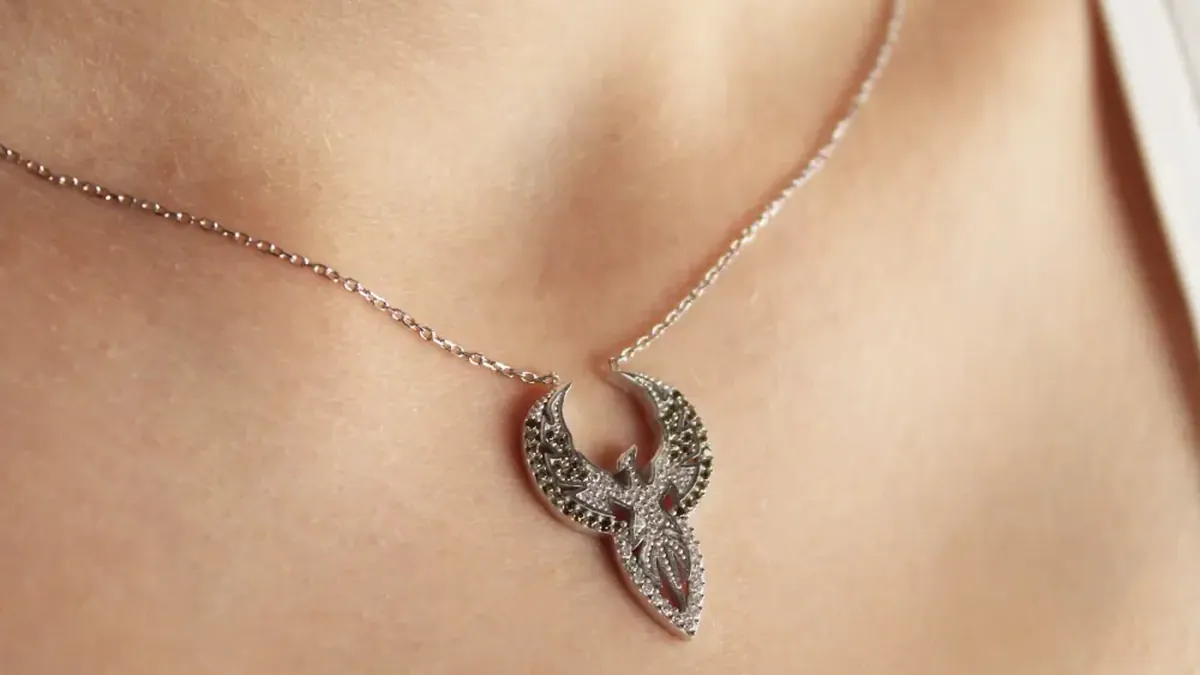
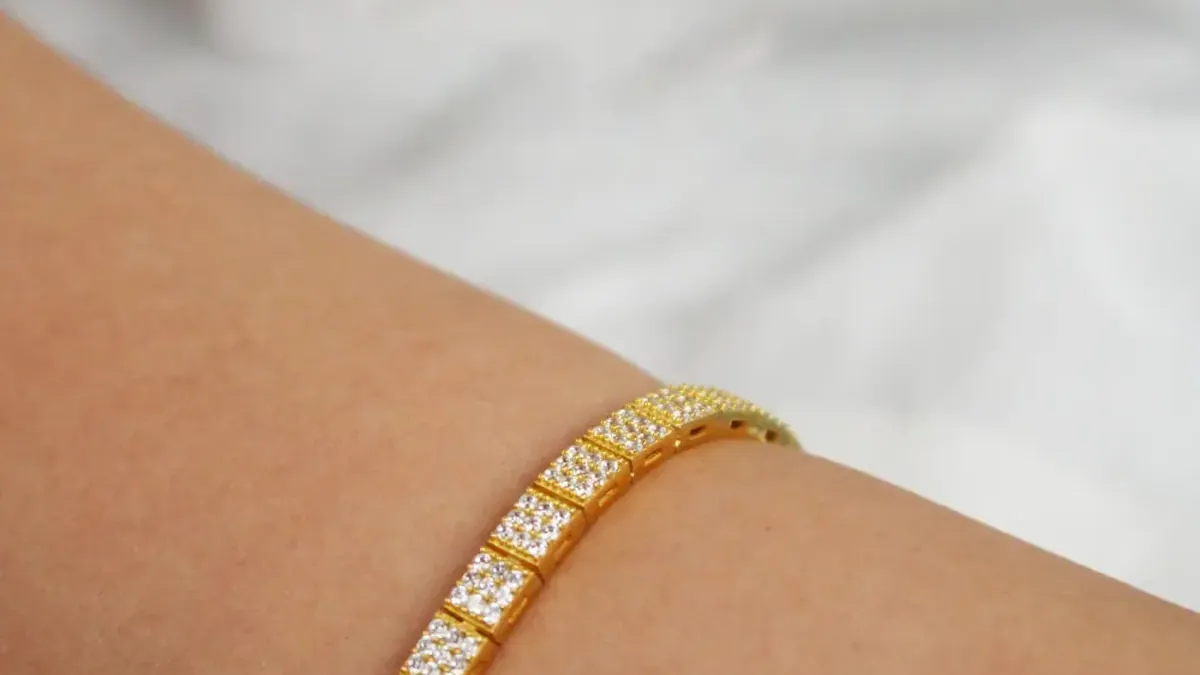
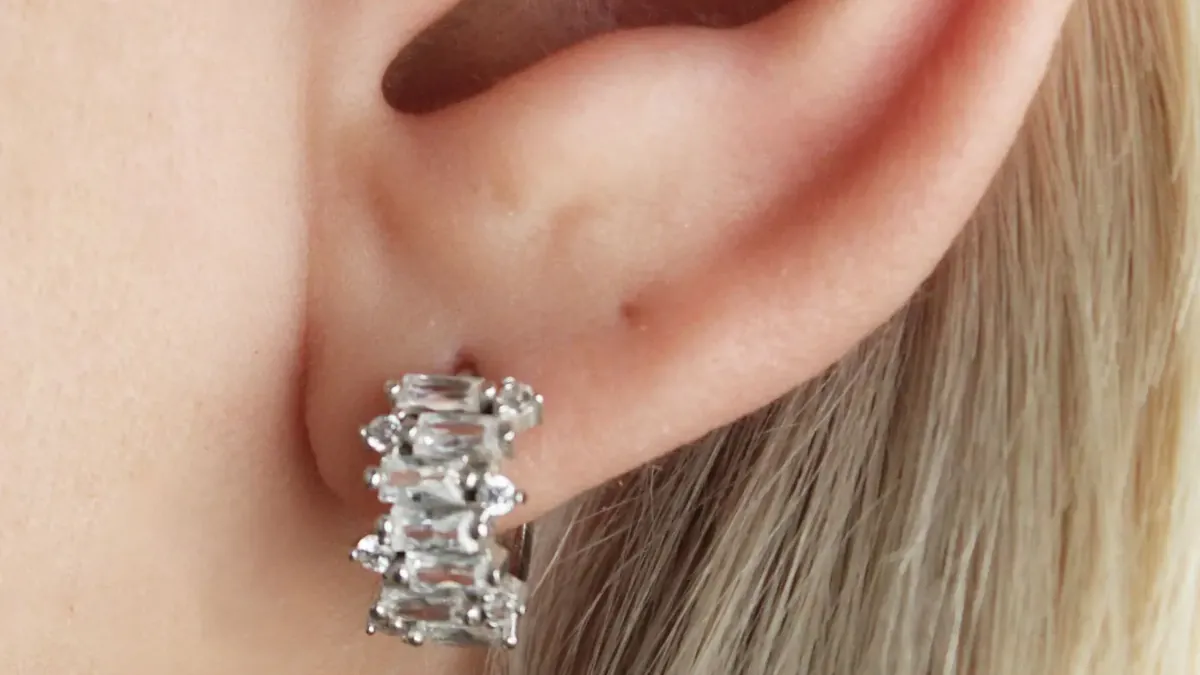
- Stone-set pieces. Customers value the look of pave work, and it is hard to compare directly. These often carry a good margin.
- Thick plating. Micron plating costs more, but the customer can't see that in a photo. Say the thickness on your label, or you won't get paid for it. See our micron guide.
Step 4: check it against the market
Before you print a price tag, look at what shops and online stores in your market charge for similar pieces. If your calculated price is far above them, choose a lighter design rather than cutting your margin. If it's far below, you may have room to raise it. Round to prices that suit your shop.
Leave room for what actually happens: gifts, discounts, end-of-season sales and pieces that don't sell. A piece discounted by 30% at a 2.0 multiple leaves very little. That is why many shops avoid running everything at the lowest multiple.
How to get your margin up without raising prices
- Choose lighter designs. Weight is the largest part of cost.
- Buy a wider range in smaller quantities. With 5 pieces per design, you carry less of what doesn't sell. See how to plan a first order.
- Order enough to reach a volume discount. Our discounts are 3% from USD 1,000, 6% from USD 2,000 and 9% from USD 3,500.
- Group shipments. Express shipping is priced by weight, so one larger order often costs less per piece than several small ones.
- Sell sets. A necklace and earrings together raise the value of each sale.
Frequently asked questions
What is keystone pricing in jewelry?
Keystone means selling at double your cost, a 100% markup and a 50% gross margin. It's the traditional starting point for retail pricing. For jewelry, many shops go higher, especially on light fashion pieces.
What profit margin do jewelry stores make on sterling silver?
It varies with rent, region and range, so we don't quote an average. Work out your own: a 2.5 multiple on landed cost gives a 60% gross margin before your running costs.
Should I use the same markup online and in store?
Not automatically. Online sellers often pay platform fees and free shipping, and shops pay rent and staff. Calculate each channel. Etsy and Shopify sellers can read wholesale jewelry for online sellers.
How do I price jewelry when the silver price changes?
Review your prices when you reorder, using the landed cost of the new order. Our guide to silver jewelry price per gram explains how silver price feeds into the piece price.
Start with your own numbers
Apply for a trade account to see wholesale prices and weights for each design, so you can run this calculation before you order. We don't sell to retail customers, so we never compete with your shop. See also our guide for boutiques.