19 Eylül 2026
Gold Plating on Sterling Silver: Micron Thickness Explained for Retailers
What micron thickness means for gold plated sterling silver, which thickness fits which product and price point, rhodium vs gold, and care tips for customers.
Why plating thickness matters more than the plating name
"Gold plated" tells you what's on the surface of a piece of jewelry. It doesn't tell you how long that surface will last. Two pieces can both be described as gold plated sterling silver and behave completely differently after three months of daily wear — the difference is almost always plating thickness, measured in microns, not the base metal or even the plating metal itself.
For retailers, this matters commercially. A customer who buys a gold plated piece that wears thin in a few weeks associates the disappointment with your shop, not with an abstract manufacturing decision made months earlier. Understanding micron thickness lets you match the right plating spec to the right product and price point, rather than guessing.
What "gold plated sterling silver" actually means
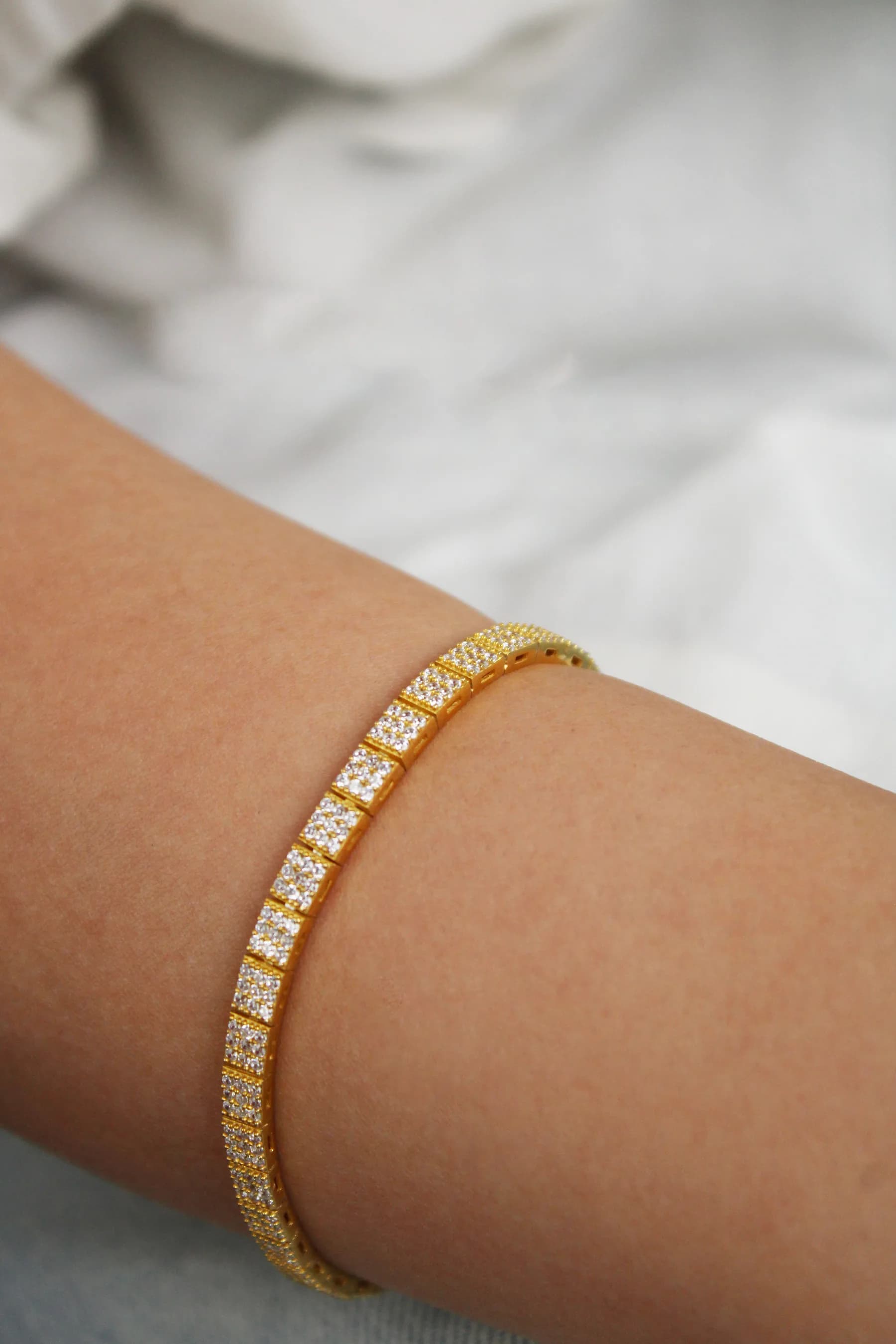
Gold plated sterling silver is a 925 sterling silver base — 92.5% pure silver alloyed for strength — with a layer of gold electroplated onto the surface. It is not solid gold, and it is not the same as gold-filled jewelry (where a thicker layer of gold is mechanically bonded to a base metal). Plated jewelry is generally the most affordable way to offer a gold-tone finish at wholesale prices, which is why it dominates the fast-moving end of the jewelry market — layering necklaces, stacking rings, everyday earrings.
The base metal (925 sterling silver, in this case) affects how the piece feels and how well it takes plating. Sterling silver is a common and well-regarded base for plated jewelry because it's a precious metal in its own right, unlike brass or other base-metal cores.
Micron thickness, explained
A micron (micrometer) is one-millionth of a meter — plating layers are measured in a range roughly between 0.05 and 3+ microns for jewelry. As a rough guide, common wholesale plating options run from very thin flash plating up to heavier plating intended for everyday-wear pieces:
- 0.10–0.25 microns — a lighter plating layer, more common on lower price-point, higher-turnover pieces. Expect the gold tone to be more sensitive to friction, moisture and daily wear over time.
- 1.00 micron — a mid-weight plating layer, a common choice for pieces meant to hold color through regular (not constant) wear.
- 2.00–2.50 microns — a heavier plating layer at the upper end of what's typically offered on plated sterling silver, chosen when color retention under frequent wear is the priority.
Thicker plating generally costs more to apply and adds to the per-piece price, so the decision isn't simply "always choose the thickest option" — it's about matching plating weight to how the piece will be worn and what your customer expects to pay.
Matching micron thickness to product and price point
A few practical patterns retailers use when choosing plating specs:
- Fast-fashion, trend-driven pieces (a seasonal earring style, a layering necklace tied to a specific trend) often use a lighter micron, since the piece is priced to be replaced rather than worn indefinitely.
- Core, everyday pieces — a signature hoop earring, a stacking ring meant to anchor a customer's collection — usually justify a heavier micron, because color retention directly affects repeat purchase satisfaction.
- Gift and bridal pieces often lean toward a heavier micron as well, since these are pieces customers expect to keep and wear often, not treat as disposable.
- Higher price points generally pair with heavier plating. If you're pricing a piece at the top of your range, a thin plating layer undermines the value the price is supposed to signal.
When you order from a manufacturer that lets you choose plating and micron per SKU — rather than shipping a single fixed spec across the whole catalogue — you can align these decisions with your own merchandising strategy instead of working around someone else's default.
Rhodium vs. gold plating
Rhodium plating deposits a layer of rhodium, a bright white metal in the platinum family, over sterling silver (or over white gold, in fine jewelry). On sterling silver, rhodium plating serves two purposes: it gives a brighter, more reflective white finish than raw silver, and it forms a protective layer that slows down tarnishing and everyday wear on the silver surface underneath.
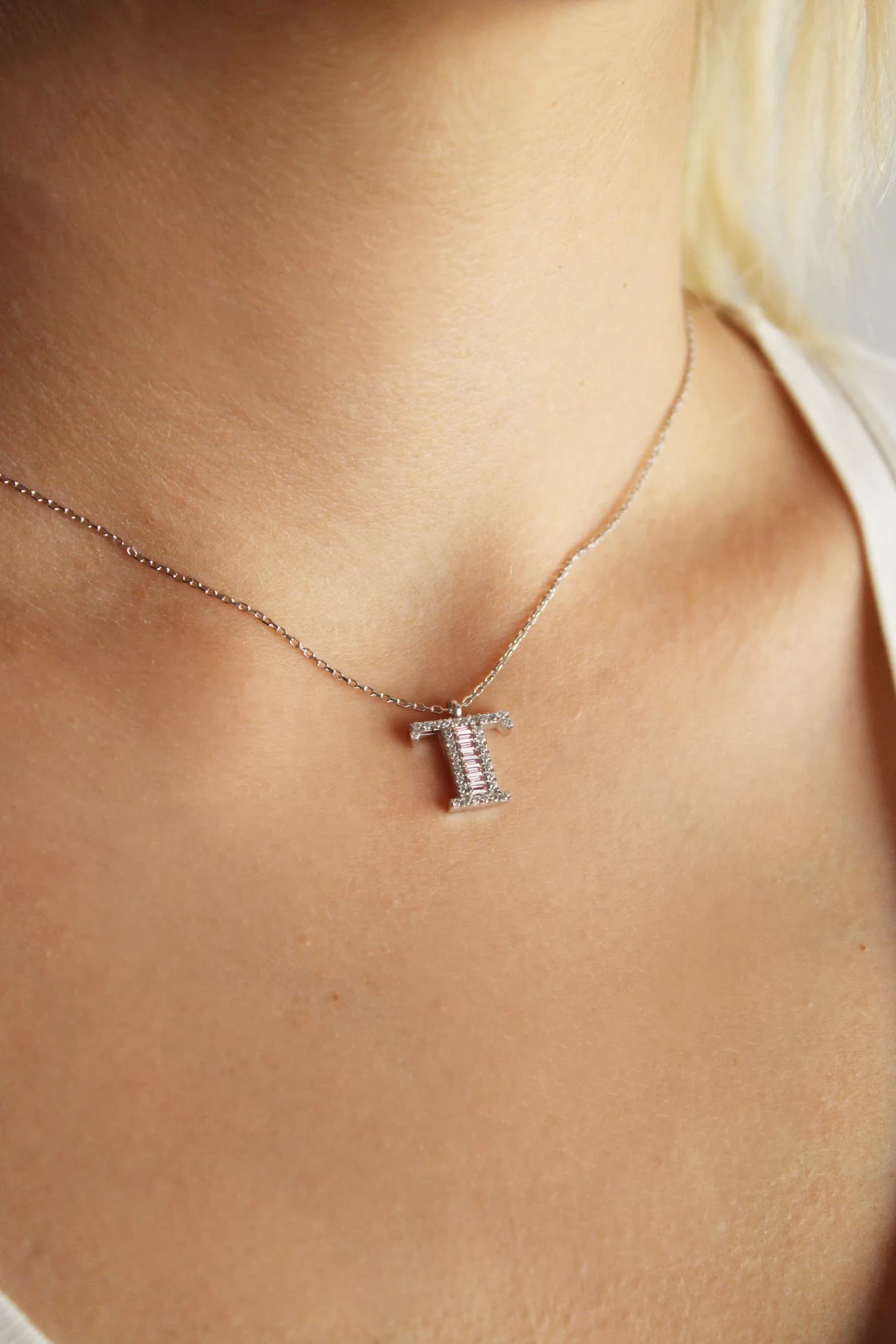
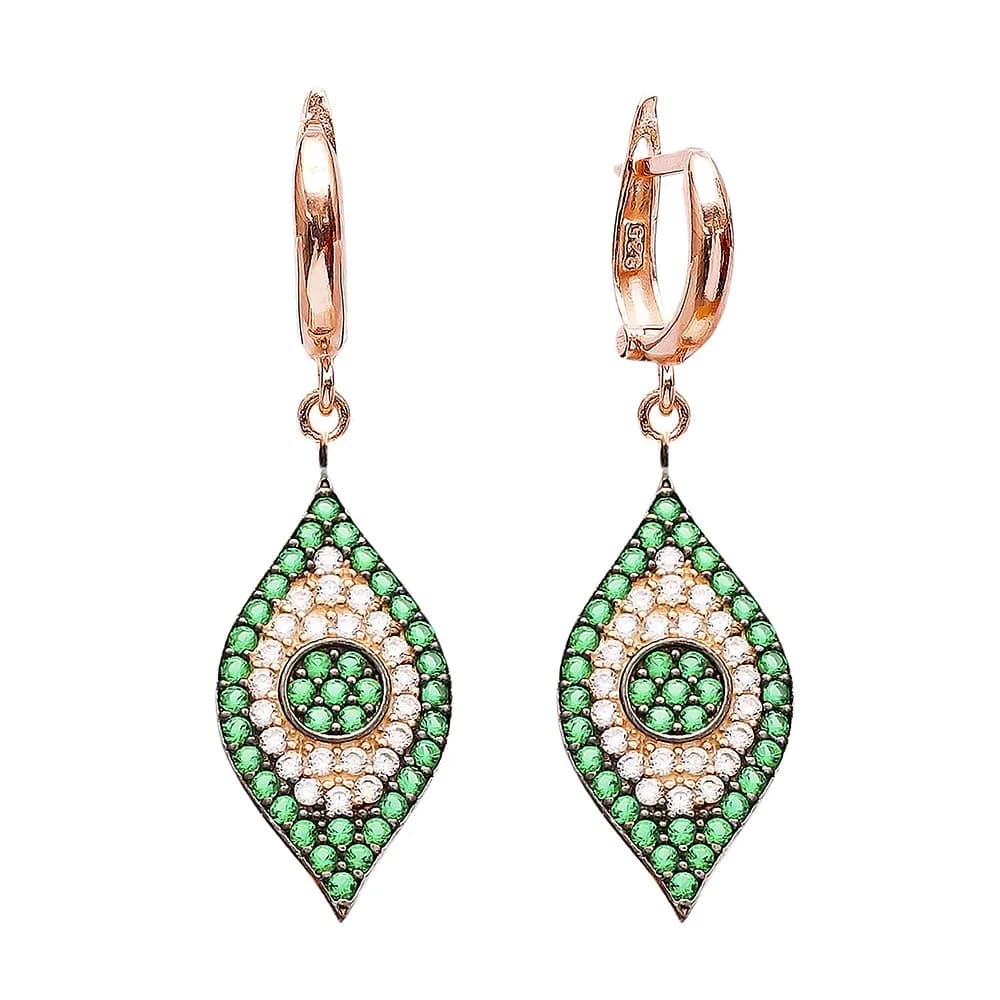
Retailers often stock rhodium-plated silver alongside gold-plated silver as two finish options on the same design — the same earring or bracelet offered in a gold tone and a white/silver tone — which is a simple way to double the merchandising options from a single style.
The word "vermeil," explained neutrally
You'll see the term "vermeil" used in the jewelry trade to describe gold plated sterling silver that meets a specific, regulated plating thickness. In the US, for example, the FTC defines vermeil as gold plating of at least 2.5 microns over sterling silver, among other requirements. Because that's a specific legal threshold rather than a general description of "nice gold-plated silver," it's worth checking exactly how a supplier defines the term before you use it in your own product listings — using "vermeil" for a piece that doesn't meet the defined threshold in your market creates real labeling risk. When in doubt, "gold plated sterling silver" is a plain, accurate description that doesn't depend on hitting a specific regulatory line.
Care tips worth passing on to your customers
A short care note with a plated piece helps customers get more wear from it and cuts down on avoidable complaints:
- Remove plated jewelry before showering, swimming, or applying perfume and lotion — moisture and chemicals are the biggest accelerants of plating wear.
- Store pieces separately, ideally in a soft pouch, to avoid surface scratching from other jewelry.
- Wipe with a soft, dry cloth after wear rather than using jewelry cleaning solutions designed for solid gold or silver, which can be too abrasive for a plated surface.
- Expect gradual, natural fading over time with any plated piece — this is normal for plated jewelry generally, not a defect specific to one supplier or micron thickness.
If you're sourcing plated sterling silver for your own store, our plating and quality page breaks down the exact micron options available per order, and our wholesale FAQ covers how plating choices factor into pricing. You can also apply for a trade account to see wholesale pricing across the full catalogue.
Frequently asked questions
Is gold plated sterling silver real?
Yes, in the sense that it's genuinely 925 sterling silver (a real precious metal alloy) with a real layer of gold electroplated onto the surface. It is not solid gold throughout, which is the usual distinction buyers are asking about — plated jewelry has a gold surface over a silver base, not gold all the way through.
Can sterling silver be gold plated?
Yes — gold plating sterling silver is one of the most common finishing processes in the jewelry trade, precisely because sterling silver is a strong, precious-metal base that takes gold plating well. It's a standard technique, not a workaround or a lesser process.
How thick is gold plating on sterling silver, typically?
Thickness varies by supplier and product, generally ranging from very thin flash plating up to around 2.5 microns or more on heavier-wear pieces. Ask any supplier for the specific micron thickness on the SKUs you're ordering rather than assuming a standard, since there isn't one industry-wide default.
What is rhodium plating?
Rhodium plating is a layer of rhodium, a bright white metal, applied over sterling silver (or white gold) to add shine and slow down surface tarnishing. It's commonly offered as an alternative finish to gold plating on the same sterling silver base.