30 September 2026
Sterling Silver and Plated Jewelry Care: What Retailers Should Tell Customers
Most jewelry returns and complaints aren't about quality. They're about care nobody explained. Here's why silver tarnishes and plating wears, what to tell customers at the counter, and a care card you can copy.
Why care advice is a retailer's problem
A customer who brings back a darkened silver bracelet after three months rarely thinks, "I stored this in a humid bathroom." They think the silver wasn't real. A customer whose gold plated ring has faded on the palm side rarely thinks about the hand sanitiser they use twenty times a day. They think the plating was cheap.
Most of those conversations can be avoided with thirty seconds of advice at the till and a small card in the bag. That's why care is worth getting right: it protects the shop's reputation more than it protects the jewelry.
This guide explains what actually happens to sterling silver and to plated finishes over time, what to tell customers, and what to put on a care card. It's written for shops that sell 925 sterling silver, plain or plated with gold, rhodium or rose gold.
Why sterling silver tarnishes
925 sterling silver is 92.5% pure silver and about 7.5% other metal, usually copper. The silver in it reacts with sulphur compounds in the air and forms a thin dark layer of silver sulphide. That's tarnish. It isn't dirt, and it isn't a sign that the metal is fake. Genuine sterling silver tarnishes; that's normal behaviour for the metal.
How quickly it happens depends on the environment far more than on the piece:
- Humidity speeds it up. Bathrooms and damp rooms are the worst places to keep silver.
- Sulphur sources such as rubber bands, some cardboard and paper, wool, certain foods (eggs, onions) and some cosmetics speed it up too.
- Skin chemistry varies. Some people's skin darkens silver noticeably faster than others'.
- Wear slows it down. Silver that's worn often tends to tarnish less than silver left in a drawer, because gentle rubbing against skin and clothes keeps the surface clean.
The good news for customers is that tarnish on plain silver sits on the surface. A polishing cloth removes it and the piece looks new again.
How plating wears
Plated pieces are 925 sterling silver underneath, with a thin layer of another metal on the surface: 14K gold, rhodium or rose gold. Plating changes the colour and, in rhodium's case, adds a harder, brighter finish. It also changes how the piece ages.
Plating doesn't tarnish the way silver does. It wears: friction slowly thins the layer until the silver underneath starts to show, usually first on edges and high points and on the parts that touch skin, clasps or other jewelry most. How long that takes depends on three things:
- Thickness. Plating is measured in microns. A thicker layer lasts longer under the same wear. Our gold plating micron guide explains the differences.
- Where the piece is worn. Rings and bracelets meet desks, door handles and bag straps all day. Pendants and earrings get far less friction and keep their plating much longer.
- What it meets. Perfume, hand sanitiser, sunscreen, pool chlorine and cleaning products all shorten the life of a finish.
Rhodium is harder than gold and holds its bright white finish well, which is why it's often chosen for rings. Our rhodium plating guide covers it in detail.
When plating does wear through, the piece underneath is still solid 925 sterling silver. It can be professionally re-plated by a jeweler, which is worth telling customers who are attached to a piece.
What to tell customers at the counter
Keep it short. Three sentences cover most of it:
- "Put it on last and take it off first." Perfume, lotion, hairspray and make-up go on before jewelry. Jewelry comes off before washing hands, cleaning, swimming, the gym and bed.
- "Keep it dry and separate." Store each piece in its own pouch or a closed box, away from the bathroom.
- "Use a soft cloth, not a cleaner." A dry, soft polishing cloth is all most pieces need.
For plated pieces, add one line: "Wipe it, don't polish it hard." Aggressive polishing and abrasive cleaners remove plating faster than wear does.
Cleaning: what's safe and what isn't
Plain sterling silver
- A silver polishing cloth removes light tarnish safely.
- For more tarnish, a little mild soap in lukewarm water, a soft brush for detail, then rinse and dry completely.
- Silver dips and pastes work but are strong. They're best used sparingly and kept away from stones, pearls, mother of pearl and enamel.
Gold, rose gold and rhodium plated silver
- Wipe with a soft, dry cloth after wearing.
- If needed, mild soap and lukewarm water, a gentle wipe, then dry immediately.
- Avoid polishing cloths with a polishing compound, silver dips, toothpaste, baking soda and ultrasonic cleaners. All of them are abrasive or chemically harsh enough to thin plating.
Stone-set pieces
Cubic zirconia, nano turquoise, mother of pearl and enamel need a gentle approach. Don't soak them, and don't use dips. Mother of pearl in particular is sensitive to water and chemicals and should just be wiped.
Storage that actually helps
- One piece, one pouch. Pieces stored together scratch each other and plated surfaces wear against harder metal.
- Closed and dry. A closed box or zip bag reduces air contact. Anti-tarnish strips or a small silica gel sachet help in humid homes.
- Chains fastened. Fastening a chain before storing stops tangles that lead to rough untangling and broken links.
A care card you can copy
Many shops put a small printed card in every bag. It saves repeating the same advice and gives customers something to check later. Here's a version you can adapt:
- Your jewelry is 925 sterling silver. Silver naturally darkens over time; a soft polishing cloth brings back the shine.
- Plated pieces (gold, rose gold, rhodium) have a thin finish over silver. Wipe gently with a soft dry cloth; don't use silver dips or polishing pastes.
- Put jewelry on after perfume, lotion and make-up. Take it off before washing, swimming, exercise and sleep.
- Store each piece separately in a dry, closed pouch or box, away from the bathroom.
- Plating wears gradually with daily friction, especially on rings and bracelets. A jeweler can re-plate it.
Adjust the wording to your own shop and returns policy. If you tell customers what normal ageing looks like before it happens, far fewer of them bring pieces back thinking they're faulty.
Choosing stock that ages well
Care advice helps, but some of the work happens when you order:
- Match finish to product type. Plated rings and bracelets see the most friction; a thicker plating or a rhodium finish suits them better than the thinnest gold option. Pendants and earrings can carry a lighter plating well.
- Offer plain silver as well as plated. Some customers would rather polish silver now and then than see plating wear on a ring they wear every day.
- Know what you're selling. A supplier who shows plating thickness per order and average weight per SKU lets you answer customer questions accurately. Our plating and quality page shows how we document it.
How Ruvolla supplies finishes
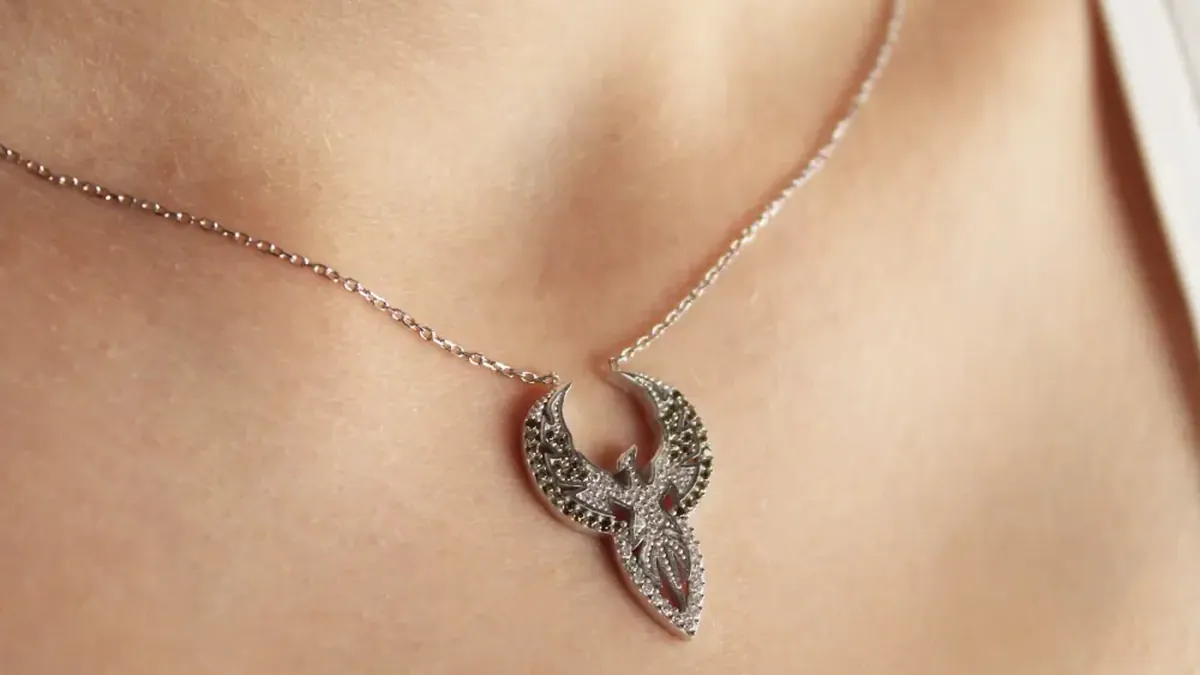
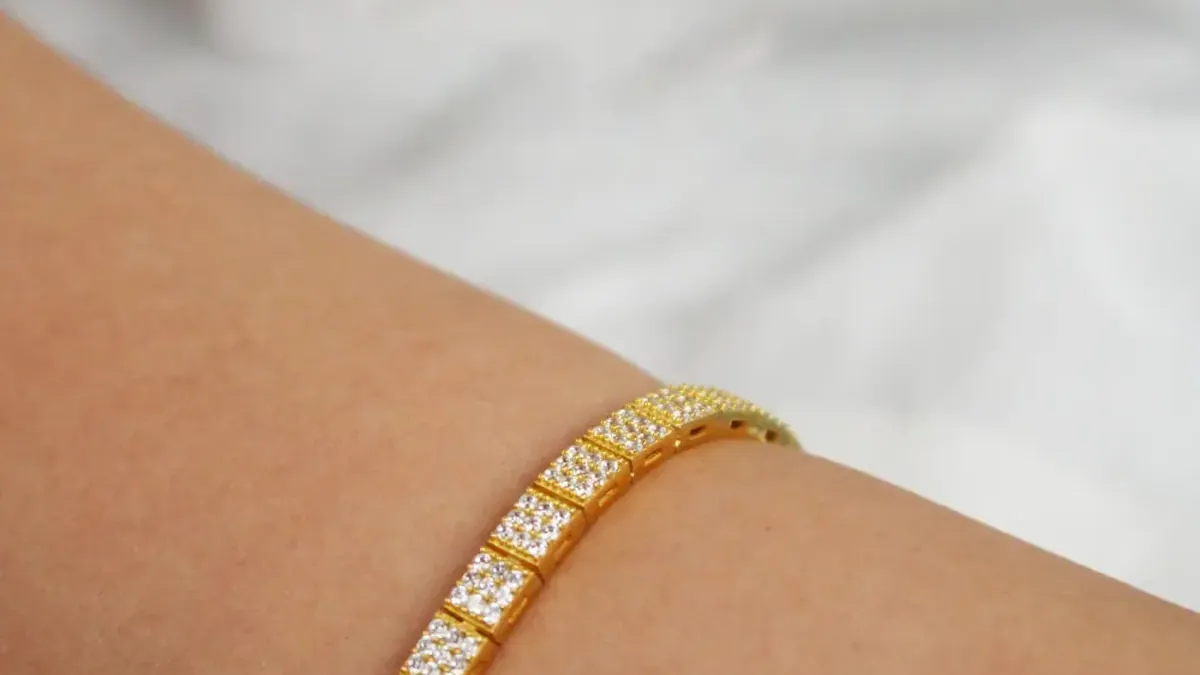
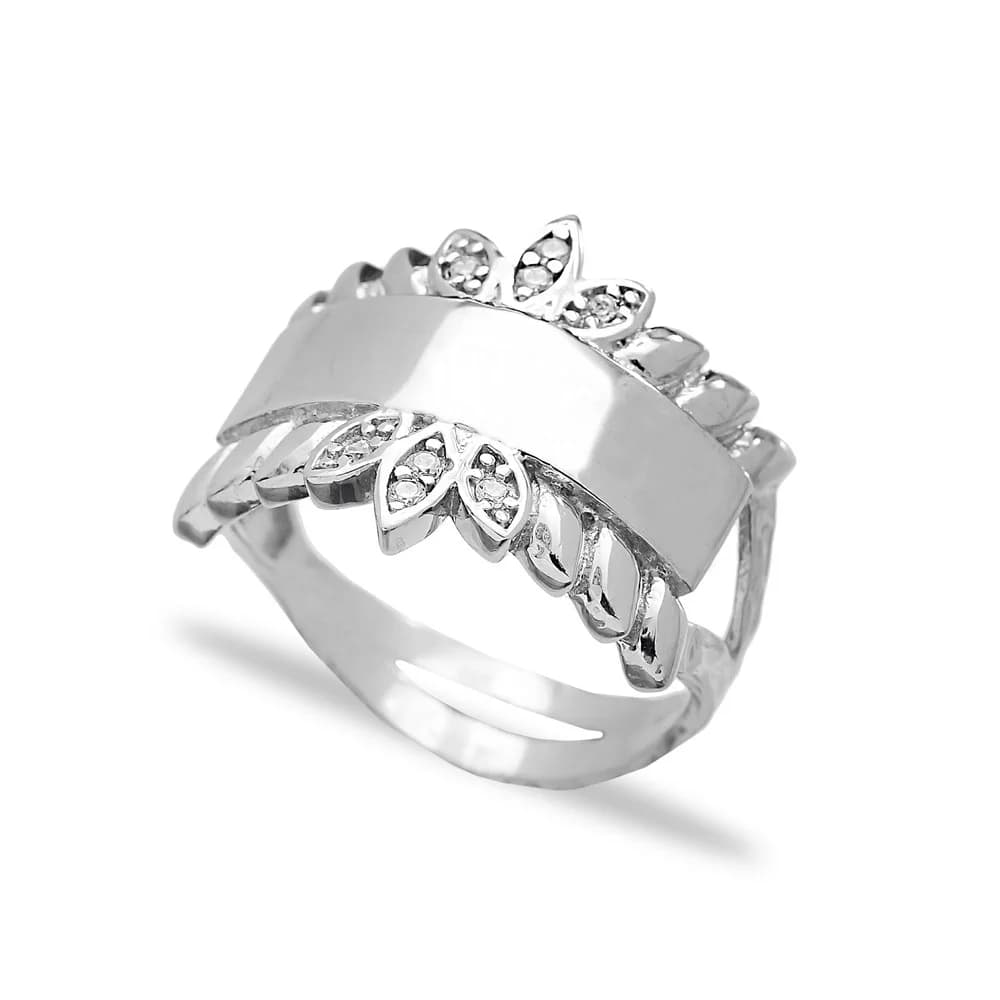
We make 925 sterling silver jewelry in our own workshop in Fatih, Istanbul. Every design can be ordered in plain silver or plated in 14K gold, rhodium or rose gold, and the micron thickness is chosen per order, so you can put a heavier finish on rings and bracelets and a lighter one on pendants. Browse the rings, bracelets and pendants ranges, check the wholesale FAQ, and apply for a trade account to see wholesale prices.
Frequently asked questions
Does sterling silver tarnish?
Yes. The silver in 925 sterling silver reacts with sulphur compounds in the air and forms a thin dark layer. Tarnish is normal, is not a sign of fake silver, and can be removed with a silver polishing cloth.
How do you clean gold plated sterling silver?
Wipe it with a soft dry cloth after wearing. If it needs more, use mild soap and lukewarm water, wipe gently and dry it immediately. Avoid silver dips, polishing pastes, toothpaste and ultrasonic cleaners, which thin the plating.
How long does gold plating on silver last?
It depends mainly on the plating thickness, the type of piece and how it's worn. Thicker plating lasts longer, and pendants and earrings keep their finish much longer than rings and bracelets, which meet more friction.
Can worn plating be fixed?
Yes. Under the plating the piece is still solid 925 sterling silver, so a jeweler can re-plate it in gold, rose gold or rhodium.
Can you wear sterling silver in the shower or pool?
It's best not to. Water, soap residue and especially chlorine speed up tarnish on silver and wear on plating. Taking jewelry off before showering and swimming keeps it looking new for longer.
What should a jewelry shop put on a care card?
What the piece is made of, that silver naturally darkens and can be polished, that plated finishes should only be wiped gently, to put jewelry on after cosmetics and take it off before water and sleep, and to store each piece separately in a dry pouch.