9 November 2026
Gold Plating Thickness Compared: 1, 1.5, 2, 2.5, 3 or 4 Microns?
A side-by-side look at 1 to 4 micron gold plating on 925 silver: which thickness suits rings, bracelets and earrings, how price changes, and where vermeil begins.
Choose 1 micron for earrings and pendants that see little friction, 2 microns for rings and bracelets that rub every day, and 2.5 microns or more in 18K gold if you want to sell the piece as gold vermeil. Thicker plating costs more but lasts longer under wear. At Ruvolla, gold plating at a stated thickness is available from 0.10 up to 4 microns, plating is done in our own Istanbul workshop, a thicker layer does not add time to production, and every micron-plated order comes with an XRF plating report.
Start with how the piece is worn, not with the number
Plating wears away where the piece touches something: a ring against a desk, a bracelet against a laptop edge. Earrings and pendants are touched far less. So the right thickness depends first on the product type, then on your price point.
Our micron guide covers the lighter range, from 0.10 to 1 micron, and what plating actually is. This article picks up from there and compares the heavier options most brands ask about when they move into everyday and premium lines.
1 to 4 microns compared
The price column is relative to 1 micron on the same piece. The wear column is a comparison between thicknesses, not a promised lifespan, because how long plating lasts depends on the wearer, the design and how it is cared for.
| Thickness | Typical use | Relative price | Wear resistance (relative) | On catalogue product pages |
|---|---|---|---|---|
| 1 micron | Earrings, pendants, regular-wear mid-range pieces | + | Good for low-friction pieces | Yes |
| 1.5 microns | A step up for necklaces and light bracelets | + to ++ | Between 1 and 2 microns | Not a preset option, ask us |
| 2 microns | Rings, bracelets and core everyday lines | ++ | Noticeably better on high-friction pieces | Yes |
| 2.5 microns | Entry point for gold vermeil (in 18K gold) | +++ | High | Yes |
| 3 microns | Vermeil you want to sell with a safety margin | +++ | Higher | Yes |
| 4 microns | Premium rings and bangles that see heavy wear | ++++ | Highest in our range | Yes |
On catalogue product pages you can choose 0.10, 0.20, 0.25, 1.00, 2.00, 2.50, 3.00 or 4.00 microns. If you need 1.5 microns, tell us when you order and we will confirm it for your pieces.
Which thickness for which product
Rings
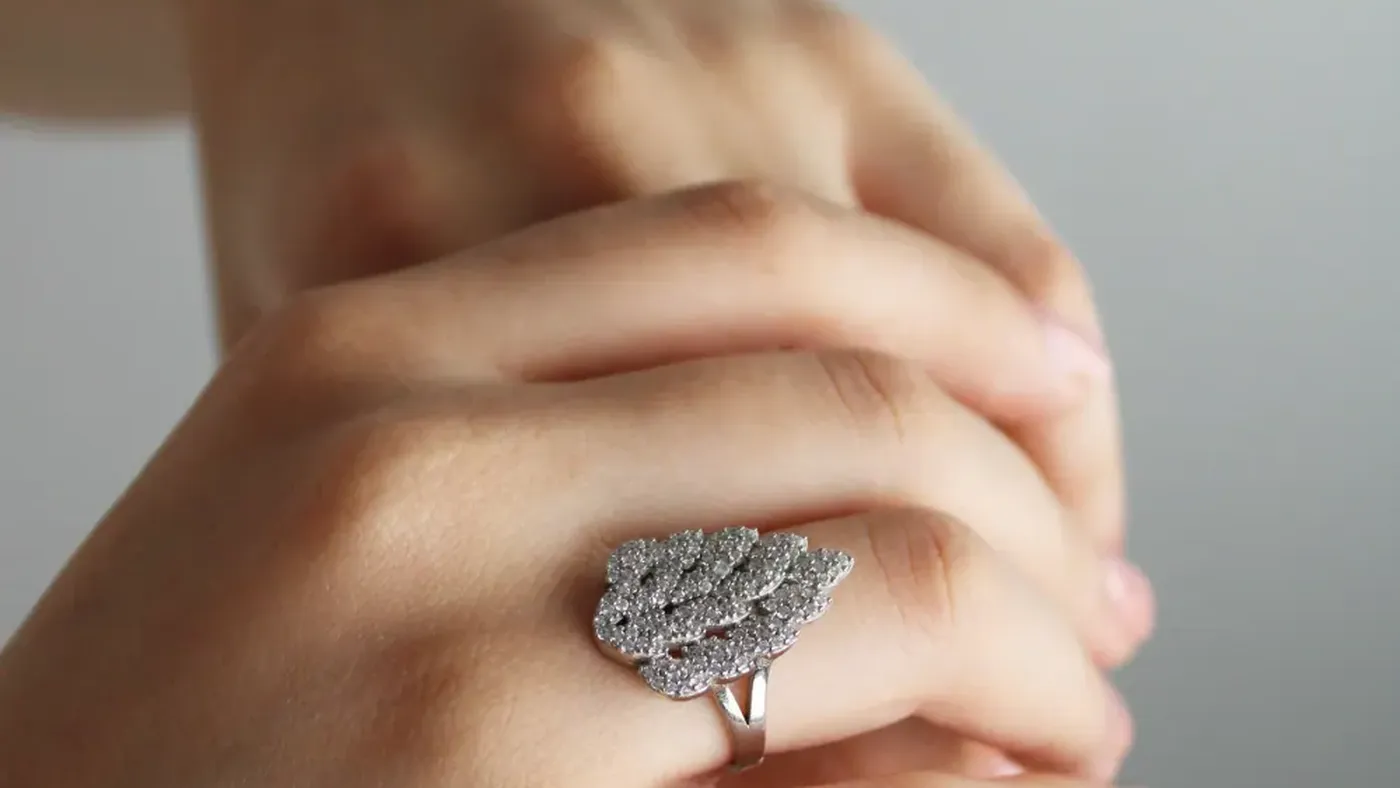
Rings take the most friction of any jewelry type, especially on the palm side of the band. For a ring you plan to sell as an everyday piece, 2 microns is a sensible starting point, and 3 to 4 microns makes sense for premium lines or wide bands. Rings are also where a thin layer shows wear first, so this is the last place to save on plating.
Bracelets and bangles
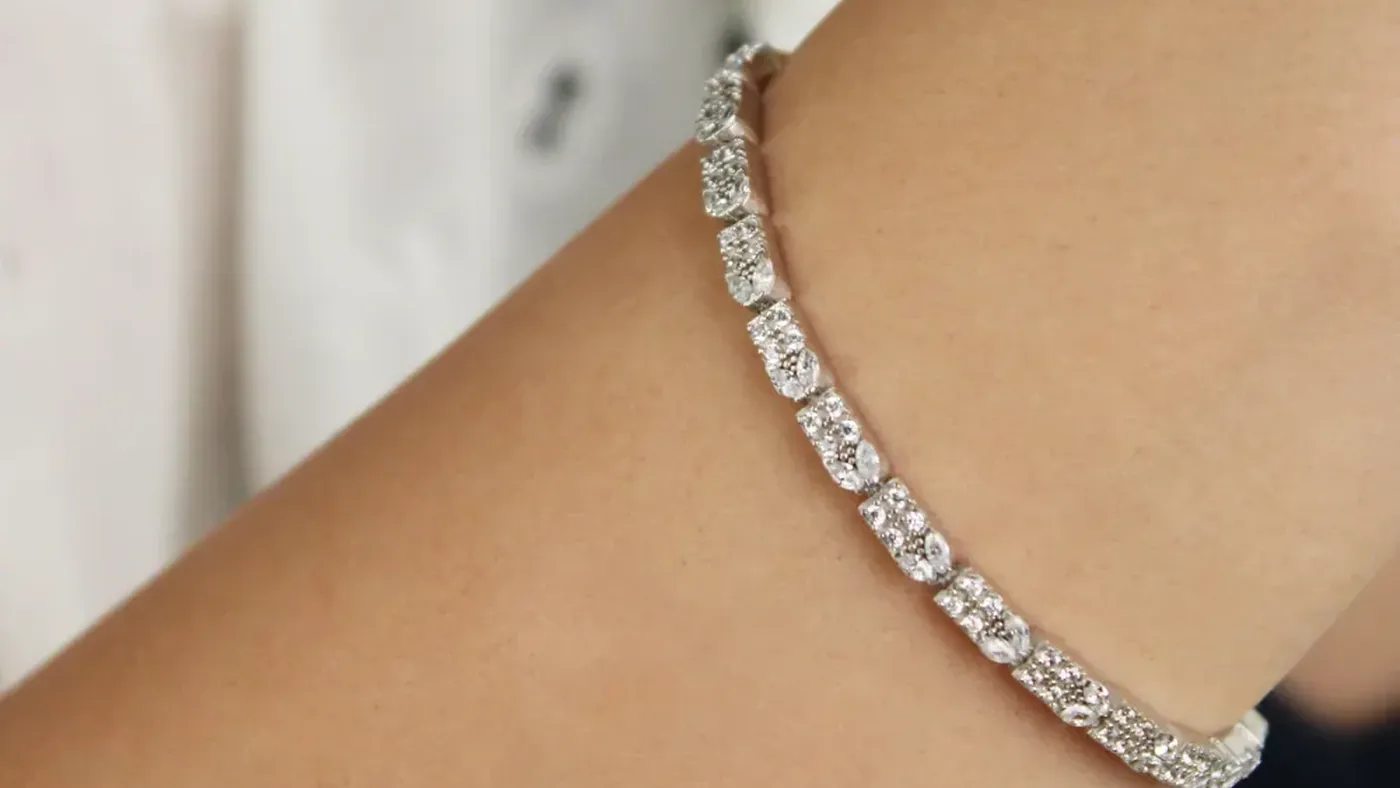
Bracelets rub against wrists, sleeves and surfaces all day. Chain bracelets and cuffs do well at 2 microns. Solid bangles, which knock against things, benefit from 3 or 4 microns.
Earrings
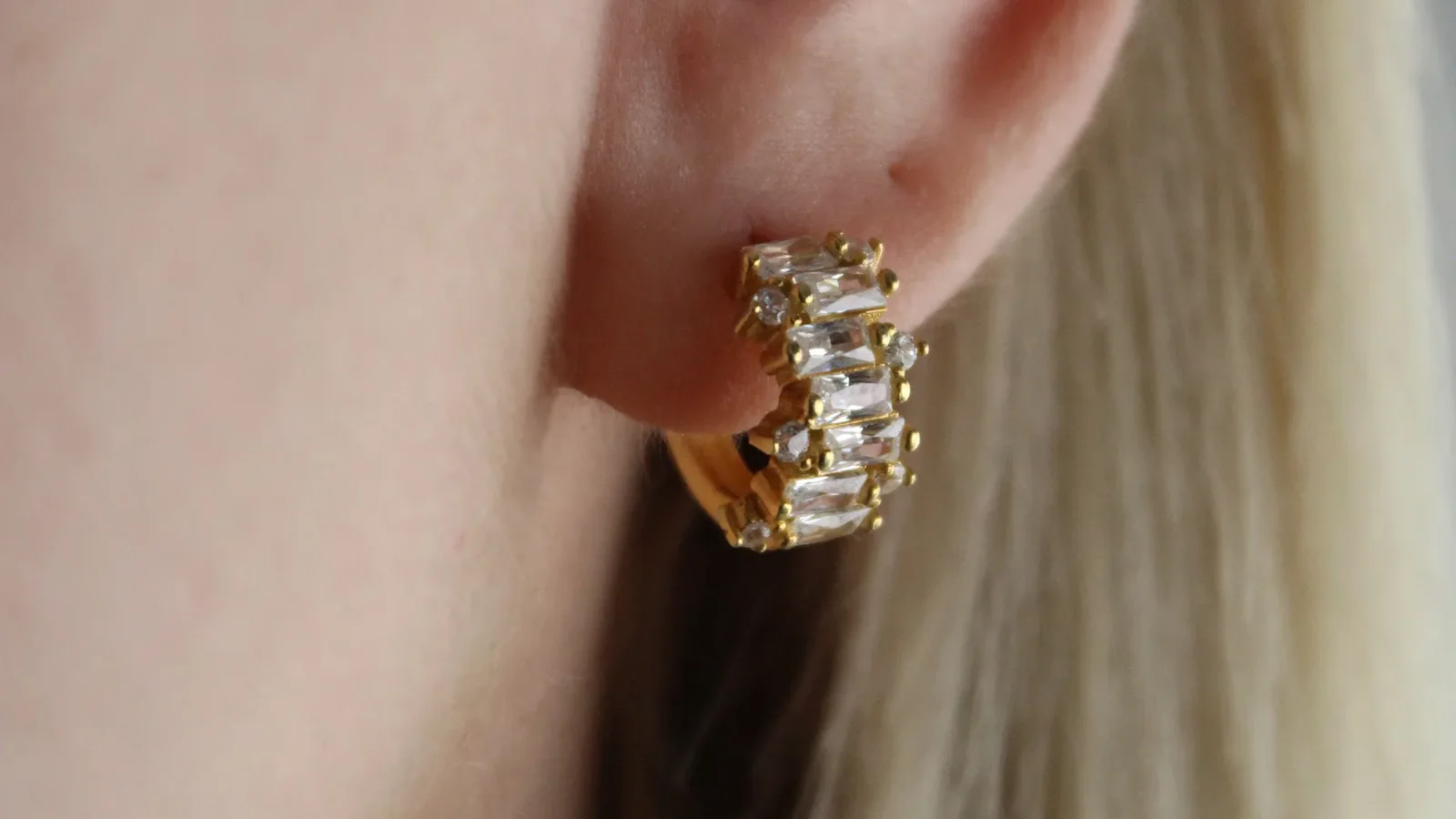
Studs, huggies and drops are touched far less, so 1 micron is usually enough for regular wear. Huggies that sit against the earlobe and get handled often can go to 1.5 or 2 microns if your price point allows.
Necklaces and pendants
A pendant face rarely rubs, but the bail and the chain do. 1 to 1.5 microns suits most pendants, with 2 microns on chains that are worn daily.
Fast-moving trend pieces
For high-turnover, lower-priced items, a lighter layer between 0.10 and 0.50 microns usually gives the most sensible balance of price and wear.
Standard plating versus stated-thickness plating
We offer two kinds of gold plating, and they are sold differently.
- Standard gold plating is a decorative layer in a 14K or 18K colour tone, or rose gold. It is not sold at a stated thickness, so we do not quote a micron figure for it, and you should not put one in your listings.
- Stated-thickness gold plating is applied to a micron level you choose, from 0.10 to 4 microns, and it is the option to pick when you want to tell customers how thick the gold is.
Rhodium is a separate finish and is not sold by micron. Our quality and plating page shows all finishes side by side.
Where vermeil begins: 2.5 microns
Under the US definition, gold vermeil means 925 sterling silver coated with gold of at least 10K fineness and at least 2.5 microns thick. We make vermeil only in 18K gold, at 2.5 microns and above.
Electroplating does not lay down a perfectly even layer. Recessed areas and inner corners can end up slightly thinner than flat, open surfaces. That is why we recommend plating at 3 microns for pieces you will sell as vermeil, so the thinner areas still reach 2.5 microns. Read more on our gold vermeil manufacturing page.
Thicker plating does not slow your order
Plating is done in our own workshop, alongside casting, setting and polishing. A 4 micron order follows the same schedule as a 1 micron order: catalogue orders are made to order and ship about a week after payment, and custom production takes about a week after model approval and payment. The difference is in the price, not the timeline.
Proof of thickness: the XRF report
If you tell customers how thick your gold is, you should be able to show it. With your order we provide:
- an XRF plating report, which measures the plating on a piece from your order, and
- a 925 test report for a piece you select.
If you sell vermeil, we provide a document confirming 2.5 microns or more, so you have something to show a marketplace or a customer who asks.
How price is set
Thickness is one factor in the per-piece price, with the weight of the piece and any stones. We confirm the price per piece once designs and thickness are chosen. Custom and private label orders start at 20 pieces per design, and within those 20 pieces you can mix platings, for example some at 1 micron and some at 3.
Frequently asked questions
Is 1 micron gold plating good enough?
For earrings and pendants with little friction, 1 micron is good for regular wear. For rings and bracelets worn every day, 2 microns or more holds up noticeably better.
What thickness do I need to call my jewelry gold vermeil?
Under the US definition, at least 2.5 microns of gold of 10K or higher on 925 silver. We make vermeil in 18K gold and recommend 3 microns so thinner areas still reach 2.5. Check the rules in each market you sell in.
Does thicker plating take longer to produce?
No. Plating is done in our own workshop, and a thicker layer does not change the production schedule.
Can I mix thicknesses in one order?
Yes. On catalogue orders you choose the thickness per design, and on custom orders you can mix platings within the 20 pieces of one design.
Do you state a micron figure on standard gold plating?
No. Standard plating is a decorative layer sold by colour tone, not by thickness. If you need to state a thickness, choose micron plating.
How do I prove the plating thickness to my customers?
We include an XRF plating report with micron-plated orders, and a document confirming 2.5 microns or more for vermeil.
Ask us about the right thickness
Tell us the product type, your target price and where you sell, and we'll suggest a thickness. Email help@ruvolla.com, message us on WhatsApp at +90 540 281 15 53, or use the custom quote form. For catalogue orders, apply for a trade account.