19 Eylül 2026
How to Buy Wholesale Silver Jewelry from Turkey: A 2026 Guide for Boutiques and Online Sellers
A practical guide to sourcing silver jewelry wholesale from Turkey: how to vet a supplier, understand MOQ, choose EXW vs DAP, pay safely, and size your first order.
Why buyers source silver jewelry wholesale from Turkey
If you sell jewelry — in a boutique, a retail store, or through an Etsy or Shopify shop — sourcing from a Turkish supplier usually comes up early in the conversation. Istanbul is home to one of the world's most concentrated jewelry manufacturing districts, Kuyumcukent, where casting, stone-setting, polishing and plating workshops operate side by side. That concentration means a wide range of designs, faster turnaround between production stages, and suppliers who are set up specifically to sell wholesale rather than retail.
For a boutique or online seller, the practical question isn't whether Turkish silver jewelry wholesale is worth considering — it usually is — but how to evaluate a specific supplier, size a first order sensibly, and avoid the mistakes that turn a good sourcing decision into a logistics headache. This guide walks through that process.
How to vet a silver jewelry wholesale supplier
Before you commit to a supplier, work through a short checklist:
- Material clarity. The supplier should state the alloy plainly — 925 sterling silver — rather than vague terms like "silver-tone" or "silver-plated," which usually mean a base metal with a thin silver wash, not solid sterling.
- Plating transparency. If plated pieces are offered, ask what plating (gold, rhodium, rose gold) and what micron thickness is used. Suppliers who publish micron numbers are being specific about durability; suppliers who won't answer the question usually don't measure it.
- MOQ per style, not per order. A low minimum order quantity per design matters more than a low total order minimum, because it lets you test several styles without over-committing to any single one.
- A real order process. Wholesale suppliers should have a defined path from account approval to proforma invoice to production — not an ad hoc WhatsApp negotiation for every order.
- Incoterms stated up front. EXW and DAP mean very different things for your landed cost and paperwork; a supplier who quotes a price without stating the incoterm is leaving you to find out the hard way.
- Weight and SKU on every item. Since silver jewelry is often priced by weight plus finish, each product listing should show an average weight and a SKU you can reference in your order.
Understanding MOQ before you order
Minimum order quantity (MOQ) is one of the first numbers that will shape your relationship with a wholesale supplier. Some manufacturers set a high MOQ per design — 50 or 100 pieces — which forces you to commit heavily to styles you haven't tested with your own customers yet. Others set the MOQ per order rather than per style, which sounds flexible but often means you still need a large total spend to qualify.
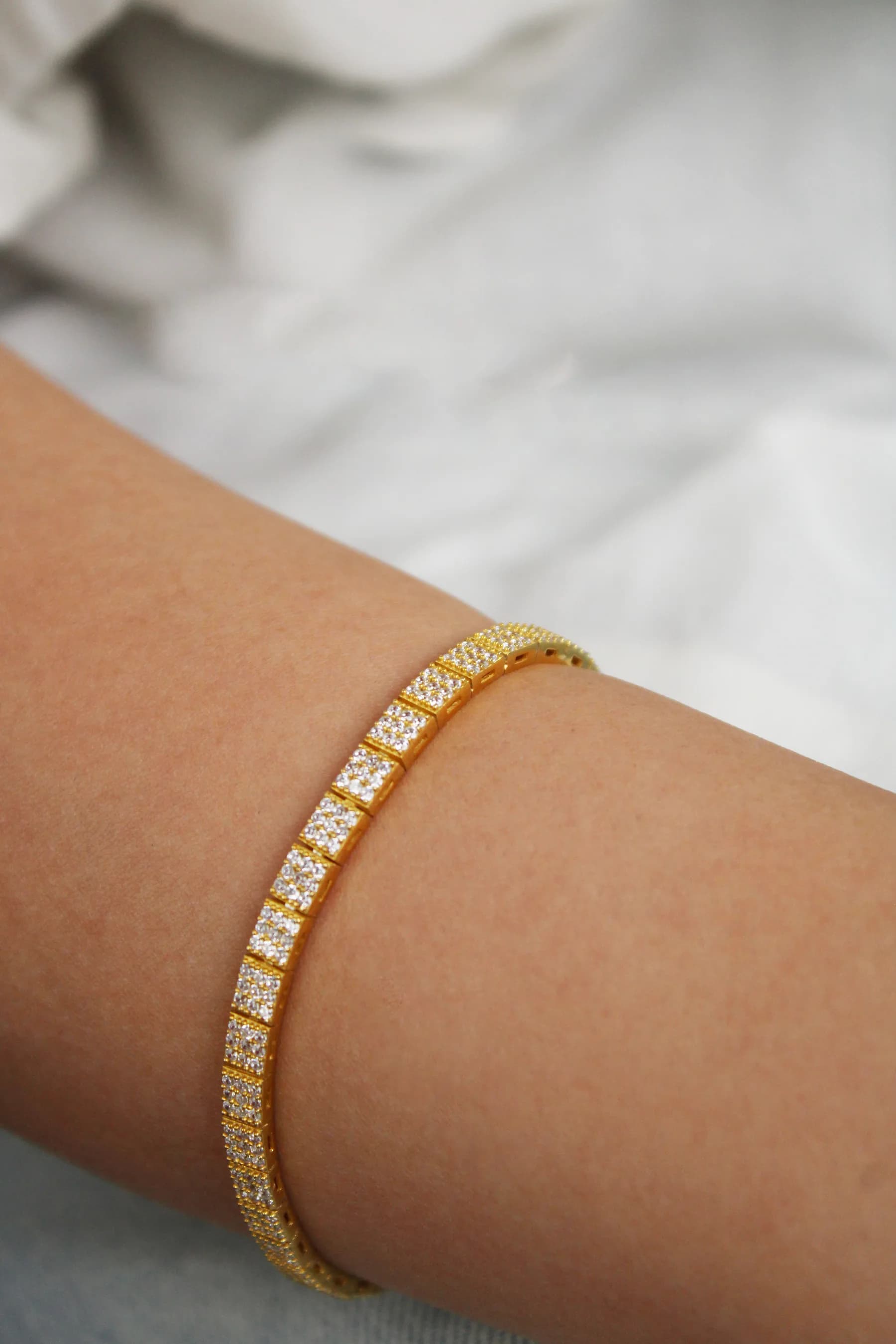
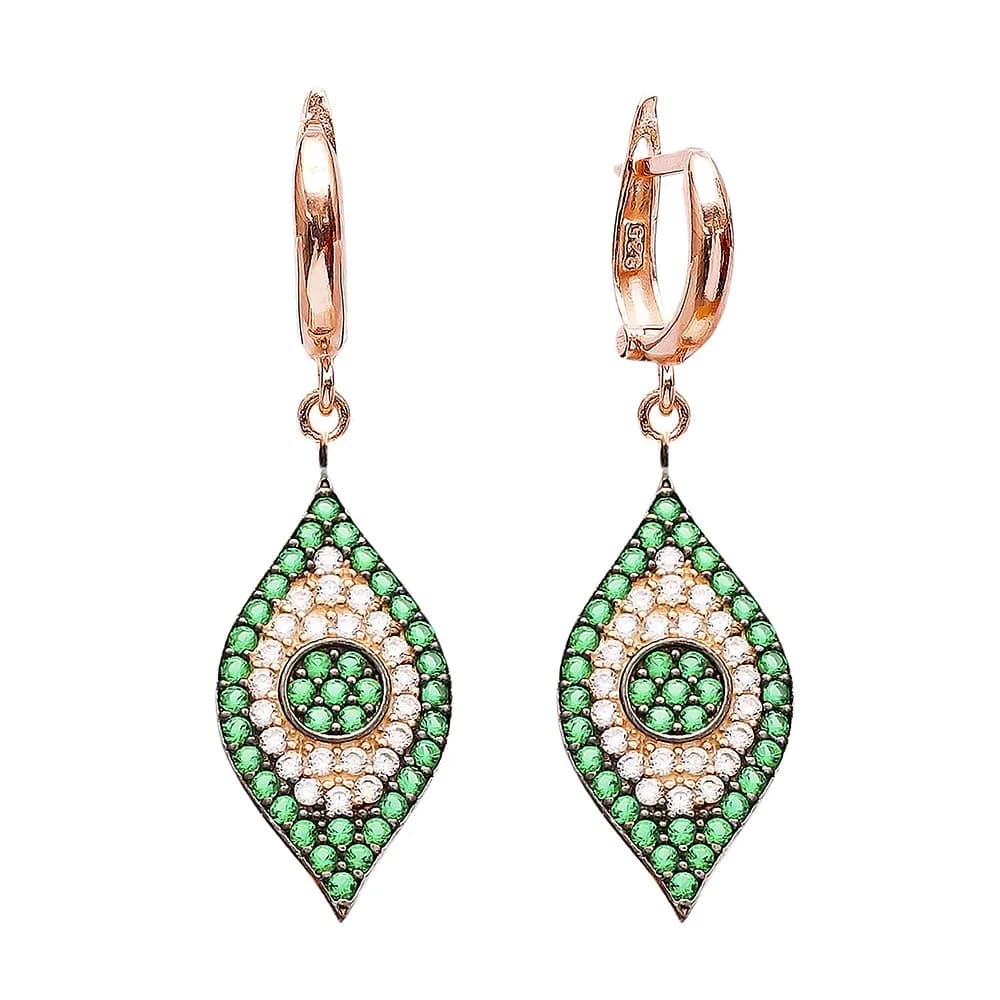
A supplier with a low MOQ per style, such as five pieces, lets you build a first order across many different designs — a mix of earrings, bracelets and a few evil eye pieces, for example — and see what actually sells before reordering deeper into the winners. This is particularly useful for a new boutique or an Etsy seller who doesn't yet have sales data to base a bigger order on.
EXW vs DAP: which incoterm should you choose
Two incoterms come up constantly in wholesale jewelry sourcing from Turkey: EXW (Ex Works) and DAP (Delivered at Place).
Under EXW, the supplier's responsibility ends once the goods are ready for collection at their workshop in Istanbul. You (or your freight forwarder) arrange and pay for transport, insurance, and customs clearance from that point. EXW usually gives the lowest quoted product price, but it means more coordination on your side, especially for a first order.
Under DAP, the supplier arranges transport to your delivery address, but the buyer is still responsible for import duties, VAT and customs clearance once the shipment arrives in their country. DAP is generally simpler for a first-time or smaller buyer, since the carrier (commonly DHL Express or UPS for jewelry-sized shipments) handles the international leg.
Neither incoterm includes duties or VAT in the buyer's landed cost — that's true under both EXW and DAP. The difference is who arranges transport, not who pays the taxes on import. Ask your supplier which incoterms they quote, and get transit times in writing before you finalize an order.
Paying a new supplier safely
Paying a new overseas supplier for the first time carries some inherent risk, and a few habits reduce it substantially:
- Insist on a proforma invoice. A legitimate wholesale supplier will issue a proforma invoice detailing pricing, quantities, plating specifications and lead time before you pay anything. Treat a supplier who skips this step as a red flag.
- Use traceable payment methods. Bank transfer in USD or EUR, or card payment, both leave a paper trail. Avoid payment methods that can't be reversed or traced if something goes wrong.
- Start smaller than you think you need to. A first order sized to test the relationship — quality, packaging, communication, and how closely the shipment matches the proforma — is worth more than a large order placed on trust alone.
- Confirm lead time in writing. Since wholesale silver jewelry is frequently made to order rather than pulled from stock, lead time should be confirmed for your specific order before production starts, not estimated generally on a website.
How to size your first order
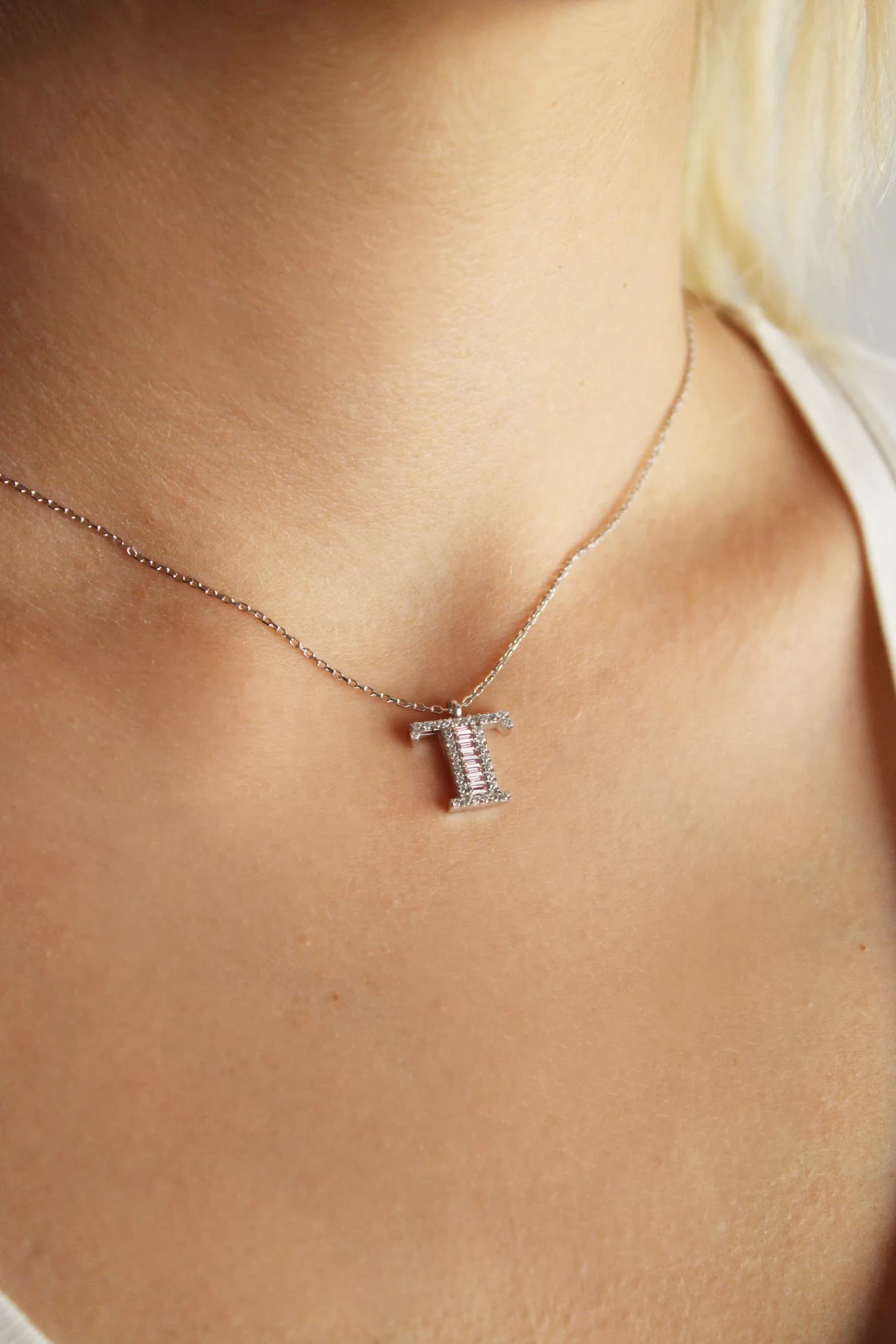
A common mistake is ordering too narrow (a handful of near-identical styles) or too broad (one piece of everything). A more useful approach is to pick three or four categories your customers already respond to — say, hoop earrings, layering necklaces, stackable rings and evil eye pieces — and order the supplier's MOQ across several designs within each category. That gives you enough of each style to merchandise properly (a display, not a single sample) while still spreading risk across enough designs to learn what reorders.
Import basics: duties, VAT and customs paperwork
Every country's import rules for jewelry differ, and rates change, so this section covers the mechanics rather than specific figures. When jewelry is imported for resale, the buyer is generally responsible for import duty and VAT (or the local equivalent, such as sales tax) at the border, regardless of whether the shipment moved under EXW or DAP terms. Your courier — DHL Express or UPS, for most jewelry-weight shipments — will typically handle customs clearance and either bill you directly or collect duties on delivery.
To avoid delays, make sure your supplier's invoice states an accurate description of the goods, quantities and value; vague invoices are one of the most common causes of customs holds. If you import regularly, it's worth registering for the appropriate import/VAT scheme in your own country and asking your courier or a customs broker how it applies to jewelry shipments specifically, since classification and thresholds vary by destination.
If you're ready to move from research to a first order, apply for a trade account to see current wholesale pricing, read our wholesale guide for more on how the ordering process works, or check the wholesale FAQ for quick answers on MOQ, payment and shipping.
Frequently asked questions
Is Turkish silver good quality?
Turkish silver jewelry manufacturing is concentrated around Istanbul's Kuyumcukent district, which specializes in 925 sterling silver production for both domestic and export markets. As with any origin, quality depends on the specific manufacturer, so check that a supplier states the alloy (925 sterling silver) and plating specifications clearly rather than relying on the country of origin alone.
How do I import jewelry from Turkey to the UK, US or EU?
Jewelry typically ships from Turkey by international courier — DHL Express or UPS are common for wholesale quantities — under either EXW or DAP terms. Your courier generally handles customs clearance on arrival, but as the importer of record, you're responsible for providing accurate invoices and paying any duties or VAT assessed at that point.
Do I pay import duty on jewelry from Turkey?
In most countries, yes — the buyer is responsible for import duty and VAT on jewelry brought in for resale, whether the goods ship EXW or DAP. Rates and thresholds vary by country and change over time, so check current rates with your customs authority or courier rather than relying on a fixed figure.
How do I price wholesale jewelry for retail?
Most retailers apply a multiplier to their landed cost — the wholesale price plus shipping, duties and VAT — commonly in the range of 2x to 3x for jewelry, adjusted for your market position and margin needs. Since landed cost includes duties that vary by country, calculate your own multiplier from your actual total cost per piece rather than copying a competitor's retail price directly.